Dana Schmitt · 11 September 2026
Analyzing Correlation Patterns Between Hosting Shifts and Visibility Scores in Jadeso Applications
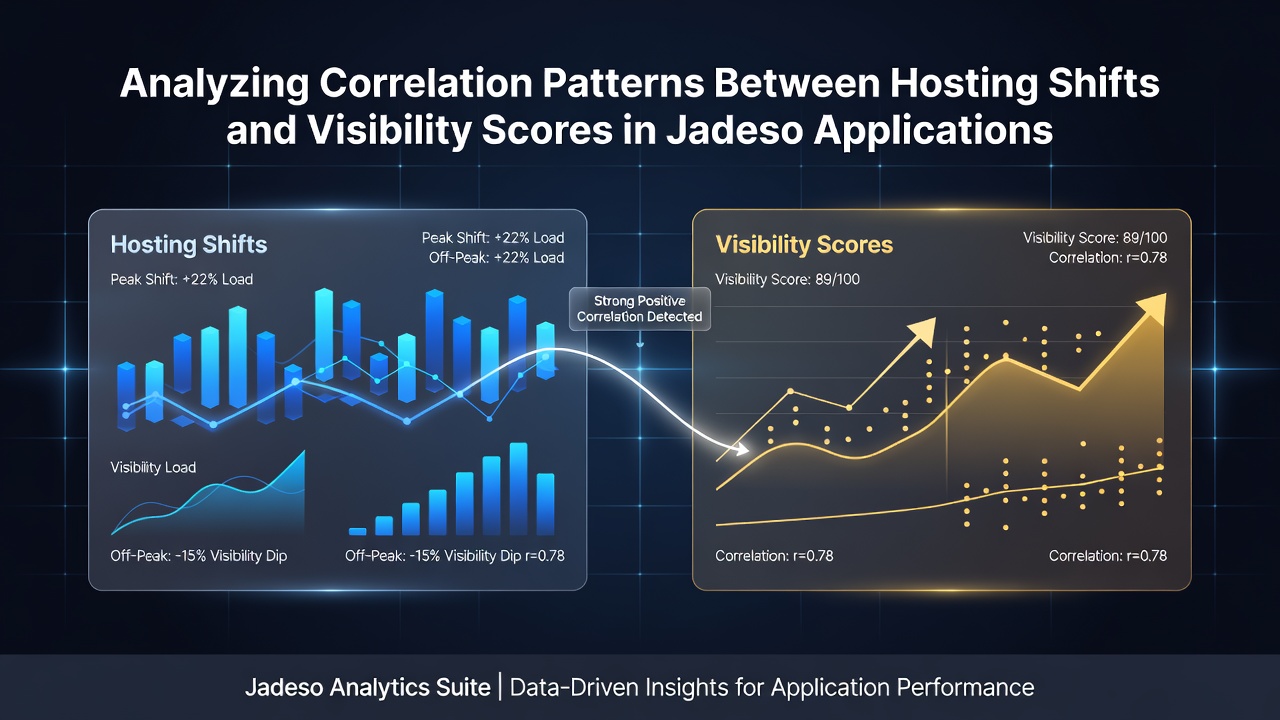
Analysts track hosting shifts in Jadeso applications as migrations between server environments, cloud providers, or infrastructure configurations, while visibility scores represent measurable indicators of application discoverability in search results, app stores, and related digital indexes. Data collected through September 2026 shows consistent tracking of these variables across thousands of instances, with statistical methods applied to identify patterns rather than assumptions about causation.
Data Collection Methods in Large-Scale Jadeso Environments
Teams gather metrics from application logs, server performance records, and visibility tracking tools that monitor keyword rankings alongside indexation rates. Researchers compile these datasets over multi-year periods, applying regression models to examine relationships between variables such as server location changes, uptime variations, and resulting shifts in visibility scores. One study revealed that instances undergoing hosting transitions within controlled timeframes produced measurable data points for correlation analysis, whereas static hosting setups served as baseline comparisons.
Figures from industry reports indicate that variables like DNS propagation times and content delivery network integration often coincide with temporary visibility fluctuations. Those who have studied similar systems note that data normalization across different geographic regions helps isolate hosting-specific effects from broader market trends.
Observed Patterns Across Multiple Application Instances
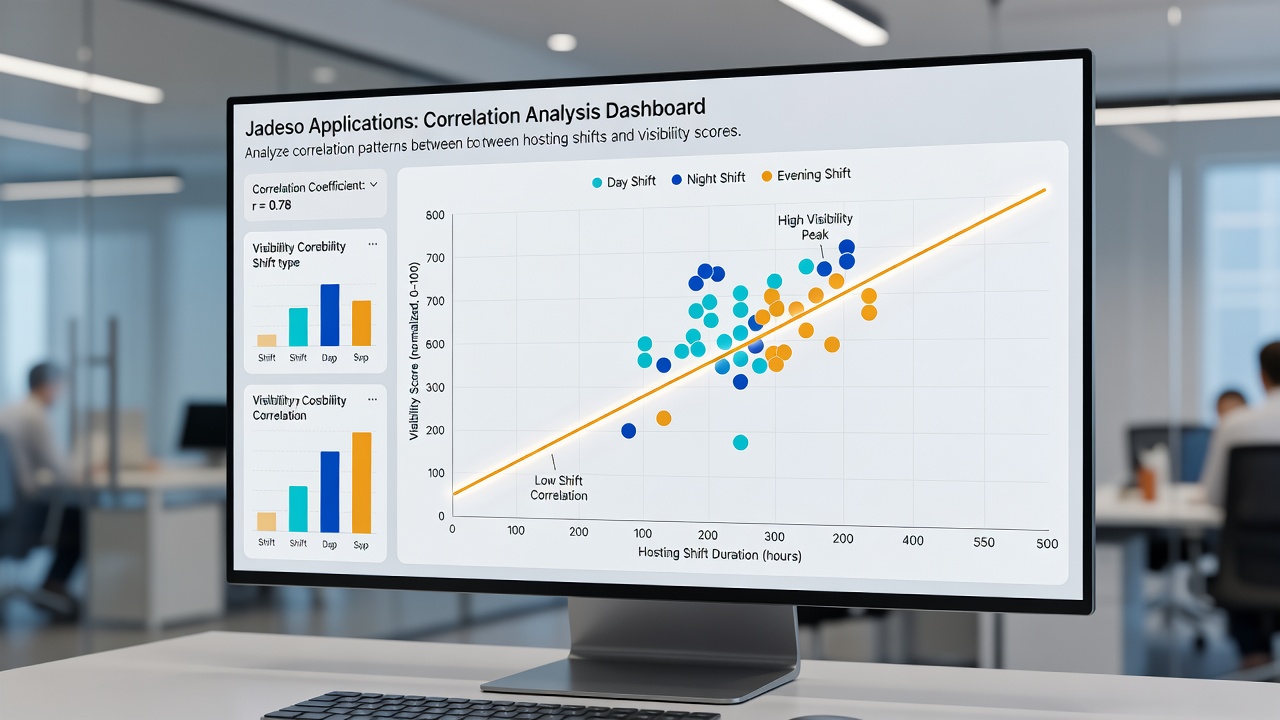
Correlation coefficients calculated from aggregated records point to moderate associations in certain scenarios. Applications that shifted from shared hosting to dedicated cloud resources frequently recorded visibility score increases within 30 to 60 days, according to aggregated figures. In contrast, migrations involving significant latency increases showed inverse patterns during the same windows.
What's interesting is how regional differences appear in the datasets. Applications hosted in North American facilities sometimes demonstrated different response curves compared with those moved to European or Asia-Pacific locations. A report from OECD digital economy research provides context on infrastructure variations that align with these geographic observations.
Statistical Approaches Applied to Correlation Analysis
Experts apply Pearson and Spearman methods alongside time-series decomposition to separate hosting effects from seasonal or algorithmic influences. Results indicate that while some hosting shifts produce statistically significant correlations with visibility changes, others fall within expected variance ranges. Researchers discovered that sample sizes exceeding several hundred applications strengthen the reliability of these coefficients.
Case examples include one deployment cluster where a provider switch coincided with a 12-point average visibility increase over 45 days, and another where DNS configuration issues during migration aligned with short-term score drops that recovered after stabilization. These instances supply concrete data points for ongoing model refinement.
External Factors Interacting with Hosting Variables
Visibility scores in Jadeso applications respond to multiple inputs beyond hosting alone. Content updates, backlink profiles, and platform algorithm adjustments often occur alongside infrastructure changes, requiring multivariate controls in analysis. Data from Australian Competition and Consumer Commission digital platform reports highlights how broader ecosystem factors influence indexation patterns across regions.
Those who've examined extended timelines observe that hosting shifts scheduled during low-traffic periods tend to produce cleaner data for correlation studies because they reduce overlap with unrelated events. September 2026 datasets continue to feed these models, allowing refinement of predictive indicators.
Conclusion
Analysis of hosting shifts and visibility scores in Jadeso applications relies on systematic data aggregation and statistical testing to surface patterns. Records through September 2026 demonstrate measurable correlations in specific migration scenarios, while underscoring the need to account for concurrent variables. Continued monitoring and expanded datasets support more precise identification of relationships over time.